I’ve been testing different AI writing tools for months now, mostly because I need to crank out SEO blog posts for clients without spending hours on first drafts. When I came across Writely, the claim was simple: it’s an 文案 assistant that helps you draft faster and organize ideas. What caught my attention was that it seemed focused on actual writing workflows, not just generating random paragraphs.
So I decided to put it through a real test — one concrete scenario that I face every week: turning a rough topic idea into a structured blog outline and then expanding it into a short article.
One specific use case: from bullet points to draft
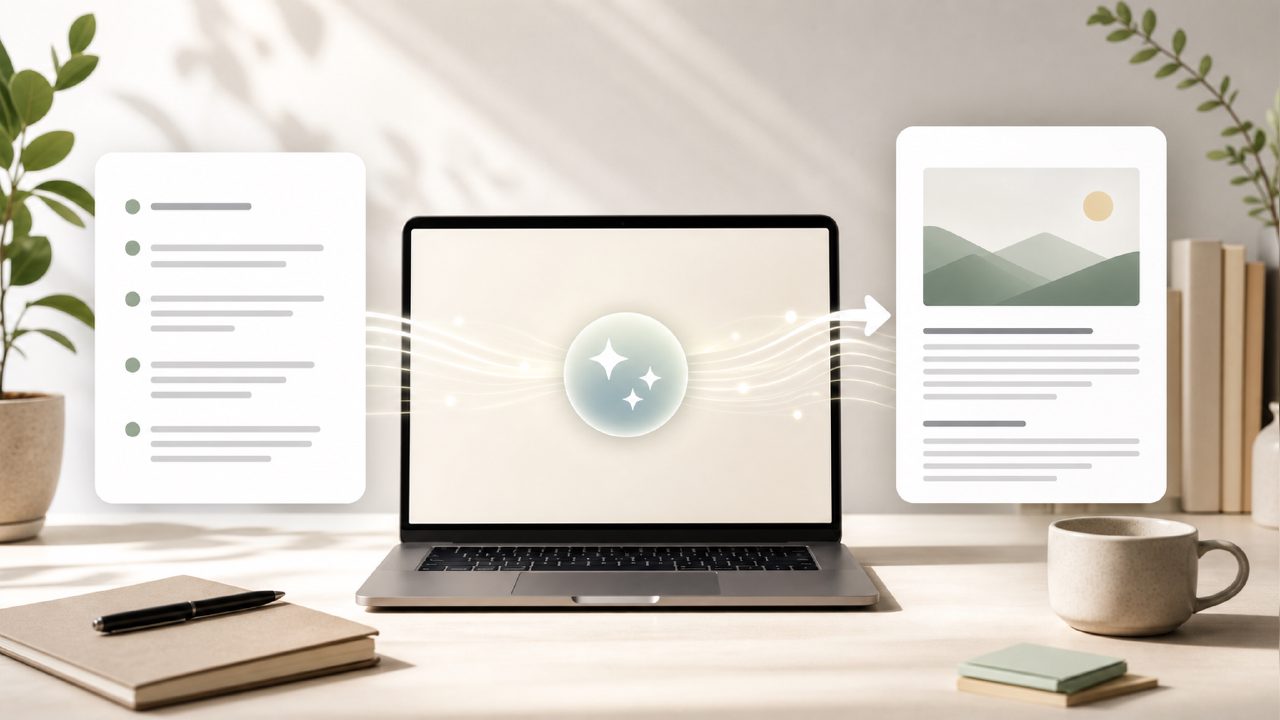
I opened Writely with a basic premise: “Best budget espresso machines for home baristas, 2026.” No polished brief, just a few messy notes I had saved in my phone. I pasted those notes into the editor and used the outline generator. Within a few seconds, the tool returned a clean structure with headings, sub-points, and a suggested flow. That part genuinely saved me time — normally I’d spend 15 minutes rearranging ideas mentally.
But here’s where it got interesting: when I asked it to expand one section — “Maintenance tips for cheap espresso machines” — the output was fine, but not remarkable. It read like a generic blog post paragraph. I had to go in and add specific numbers, common mistakes, and a bit of personality. Still, the base was there, and editing took half the time writing from scratch would have.
What worked well (and what didn’t)
- The outline generation felt tailored to my notes, not a template. That surprised me.
- The tone settings are useful — switching from “professional” to “conversational” actually changed word choices noticeably.
- But the free version limited how many expansions I could do. After 5 rewrites of an intro paragraph, I hit a cap and had to wait. That’s a realistic friction point if you’re trying to test it as an ai writing tool free option before committing.
Speaking of the free tier, Writely offers enough to evaluate the core workflow. You can generate outlines and a handful of full drafts before it nudges you to upgrade. For a freelancer who writes two or three articles a week, the free version might last a week or two. That’s reasonable, but not generous. If you’re looking for a free ai content writer 2026 that you can lean on long-term without paying, this isn’t quite it. But if you’re okay with a moderate limit while testing, it works.
A qualified moment: when the AI missed the mark
I also tried using it for a script outline — a YouTube video about coffee brewing methods. The AI kept defaulting to a very blog-like structure. I had to explicitly say “write this like a script, with scene directions and timestamps” before it adjusted. That was a mild friction, but once it got the instruction, it landed closer to what I needed. Still, it’s not as intuitive for scriptwriting out of the box as it is for articles. So if your main need is 文案 for video scripts, expect to teach it a bit first.
Tradeoffs and honest fit
What I appreciate is that Writely doesn’t pretend to replace an editor. The first drafts always need human adjustment — sometimes heavy. The real value is in getting past the blank page faster and organizing messy thoughts into something coherent. That’s a clear benefit if you struggle with structure. But if you’re looking for a tool that writes ready-to-publish marketing copy without tweaks, you’ll be disappointed.
Also, the AI’s vocabulary can get repetitive if you don’t vary your prompts. I noticed it reused transitional phrases like “In addition to…” several times in one article. Not a dealbreaker, but something to watch for.
Should you test it?
If you’re a blogger, content marketer, or solo creator who writes regularly and wants to shave time off the drafting phase, it’s worth a try — especially since you can use the free tier to judge for yourself. If you write highly technical or niche content, you’ll still need to rewrite heavily. For general 文案 (copywriting) — blog posts, listicles, basic SEO articles — it handles the heavy lifting well enough to justify the occasional frustration.
I’ll keep using it for messy scenarios like my espresso post. But I’m not handing it a product launch script without supervision. That feels like a honest tradeoff, not a flaw.
Comments
Leave a Comment