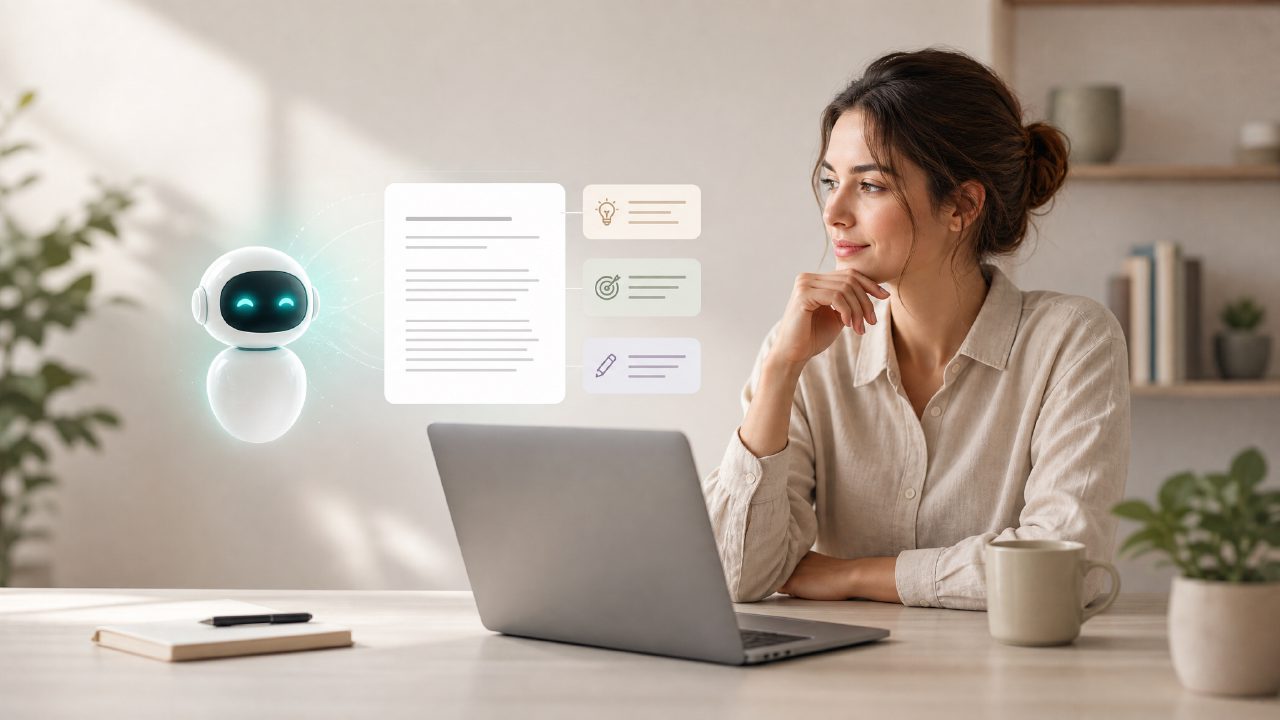
When you're searching for an ai writing assistant for marketing copy free of charge, it's tempting to click the first signup button you see. But after testing a handful of these tools over the past few weeks, I kept circling back to one question: does "free" actually mean usable, or just frustrating? I decided to put Writely through its paces, specifically for marketing copy tasks like product descriptions, short email hooks, and social captions. Here's what I found, laid out as answers to the questions that kept popping up.
Is it really free? Or do you hit a paywall after three prompts?
Yes, writely offers a genuinely free tier that doesn't feel like a demo. I signed up expecting a hard limit, but I was able to generate about a dozen different pieces of marketing copy without being blocked. The free version gives you a generous monthly word allowance – enough to test the tool for real projects, not just toy examples. The one friction I noticed: the free plan doesn't include advanced templates for things like landing page copy, so you have to work with the general blog/article mode and adapt it manually. That's fine for short ads but gets repetitive for longer sales pages.
How well does it handle marketing copy specifically?
Marketing copy needs to be concise, persuasive, and slightly urgent. I asked writely ai writing tool to write a product description for a reusable water bottle. The first draft was decent – clear benefits, an environmentally friendly angle. But it was a bit bland. I had to tweak the tone setting (from "neutral" to "confident") and add a specific feature about the cap. The second version was much better. That's my cautious judgment: the free version gives you a solid starting point, but it won't nail your brand voice without some manual editing. For quick social posts or email subject lines, it works well. For high-stakes ad copy, you'll want to spend more time refining the output.
Does it actually help with SEO writing, or is that just a tagline?
This was the real test. I needed a blog intro targeted at a local keyword. Writely has an SEO mode that suggests keywords and structures the content with headings. The free version limits how many SEO-optimized drafts you can generate per day, which is a mild annoyance. But the drafts themselves were solid – they included the primary keyword naturally, and the sentence flow didn't sound robotic. I'd say it's better than most free ai writing tool free options I've tested, but it's not as powerful as dedicated SEO writing tools in the paid tier. The tradeoff: you get usable SEO copy for free, but you sacrifice some control over keyword density.
What are the realistic tradeoffs I should know before relying on it?
Three things stood out during my evaluation. First, the free plan's output can be repetitive on long content – after 500 words, the tone starts to loop. Second, you can't export directly to a blog CMS from the free version; you have to copy-paste, which breaks formatting sometimes. Third, and this is a lived-in observation: the tool works best when you give it very specific prompts. If you write something vague like "write a marketing email," the results are generic. But if you say "write a 100-word email promoting a 20% discount on winter jackets, targeting suburban moms, with a casual but polite tone," the output improves noticeably. The tool rewards effort on input.
Should you use Writely as your go-to free marketing copy assistant?
It depends on your volume. For occasional use – a few social posts, a product description, or a short blog snippet – the ai writing assistant for marketing copy free version is worth your time. It's fast, the interface is clean, and you won't hit a paywall mid-thought. But if you're cranking out dozens of pieces a week or need deeply customized brand copy, the free tier will feel limiting. I'd recommend starting with writely to see if its style matches your workflow, then decide if the paid upgrade justifies itself. At the very least, it saved me from staring at a blank document for twenty minutes, and that's a win in my book.
Comments
Leave a Comment