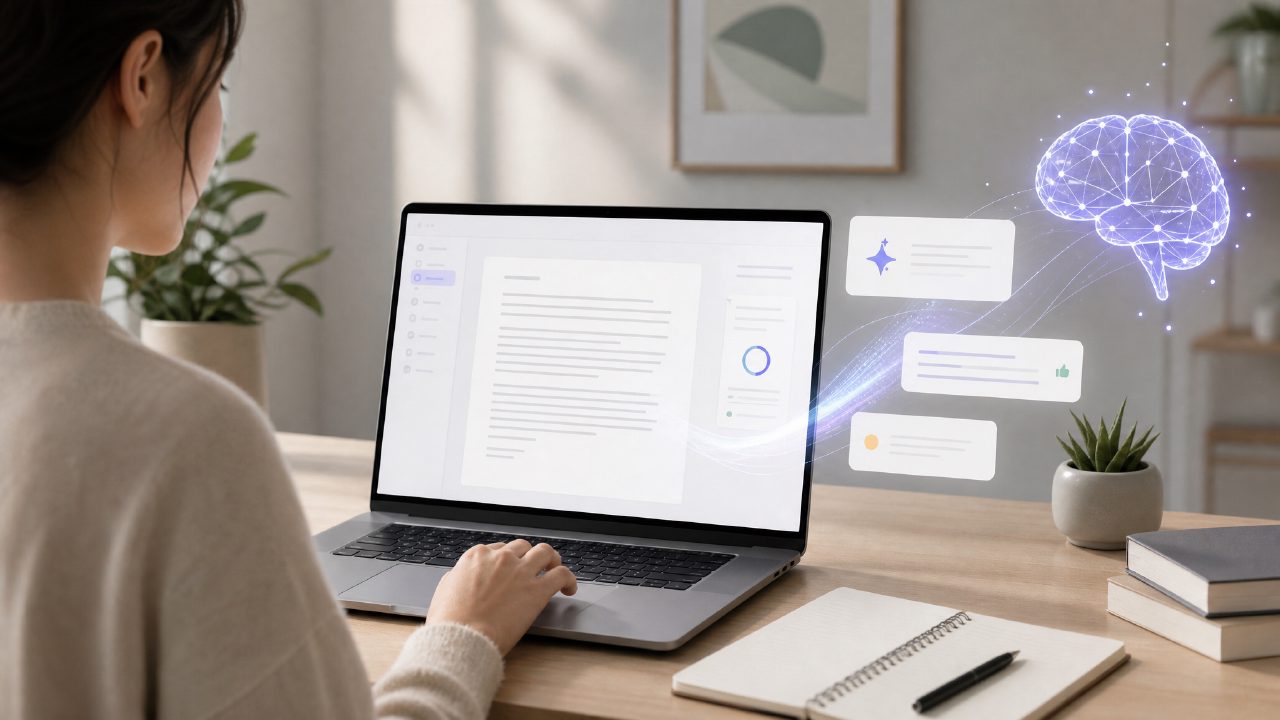
When I started looking for the best free ai writing tool 2026, I wasn’t after another hype list. I had a real stack of half-finished blog drafts and a tight budget. Free tools often promise the moon but deliver clunky interfaces, hidden paywalls, or content that reads like a robot on sedatives. I needed something that actually helped me finish drafts, not just generate fluff. So I spent a few weeks testing the landscape, and one name kept coming up: Writely Studio. The question was whether it could earn a spot as the best free ai writing tool for 2026.
What makes a free AI writing tool actually usable in 2026?
I broke it down into three things: output quality, how much you can do without paying, and whether the tool helps you organize your thinking instead of just spitting out text. Many free AI tools give you a very short trial or limit you to, say, 500 words a day. Writely’s free tier surprised me – it offers a decent monthly word count that doesn’t feel like a teaser. I could draft several short blog posts and a script before hitting the ceiling. That alone moved it up my list.
But let’s be real: the output isn’t always perfect. I noticed that when I gave very loose instructions, writely would sometimes generate sentences that sounded plausible but lacked depth. It took a few rounds of editing to tighten the ideas. That’s not unusual – most AI writers need good prompts. But if you’re expecting a finished product on the first click, you’ll be disappointed. The tool works best when you treat it as a drafting partner, not a ghostwriter.
How does Writely handle different content types like blogs and scripts?
This was the part I was most skeptical about. Many AI tools that claim to do everything actually do nothing well. I tested writely on three tasks:
- A short SEO blog post about a niche hobby.
- A script outline for a 5-minute YouTube video.
- A product description rewrite for an old e-commerce listing.
The blog post came out well – natural flow, decent keyword placement, and a structure I could work with. The script outline was usable but a bit generic; I had to add more personality and pacing notes. The product rewrite surprised me. It condensed my original verbose text into something tighter and more persuasive without sounding like an infomercial. Not every result was a home run, but the variety was real. If you mainly write blogs and SEO content, you’ll likely find it useful. For scripts, it’s a good starting point but don’t expect pro-level formatting.
What are the trade-offs of using the free version?
No tool is perfect, and the free tier of Writely has a few tradeoffs that need honest mention. First, the word limit, while generous for a free plan, will run out if you’re a heavy user. I hit the monthly limit around the third week of testing, which meant I had to pause or upgrade. Second, some advanced features – like deeper tone customisation or plagiarism checks – are locked. That’s expected, but if you need those right away, you might feel the squeeze.
On the other hand, the core writing assistant works without nagging popups or forced paywalls. I appreciate that. The interface is clean, not cluttered with upsells. One thing that mildly annoyed me: the document organisation system felt a bit flat. I created several drafts and had trouble finding the right one later without a proper folder structure. A small thing, but after a week of heavy use it became a minor friction point.
Is Writely actually the best free AI writing tool for 2026?
If I had to choose a single free tool to recommend for someone writing blogs and SEO content with a modest budget, writely would be near the top. It does what it says: helps you draft faster and turn rough ideas into readable text. The free tier is more generous than most competitors that have been quietly cutting back. But I’d be cautious about calling it the best for everyone. If you need very long-form academic content or highly specialised technical writing, you may hit the quality ceiling faster.
For the rest of us – bloggers, small content creators, scriptwriters testing ideas – it’s a solid choice. The key is to go in with realistic expectations: use it to overcome blank page syndrome, to structure thoughts, and to get a first draft done. Then edit with your own voice. That’s the sweet spot.
If you’re on the fence, I’d say try it for a week with a real project. See if the output matches your style. You might find, like I did, that it earns its spot as a top contender for the best free ai writing tool of 2026 – as long as you treat it like a collaborator, not a miracle solution.
Comments
Leave a Comment